Melunavora
Tested advice for beginners
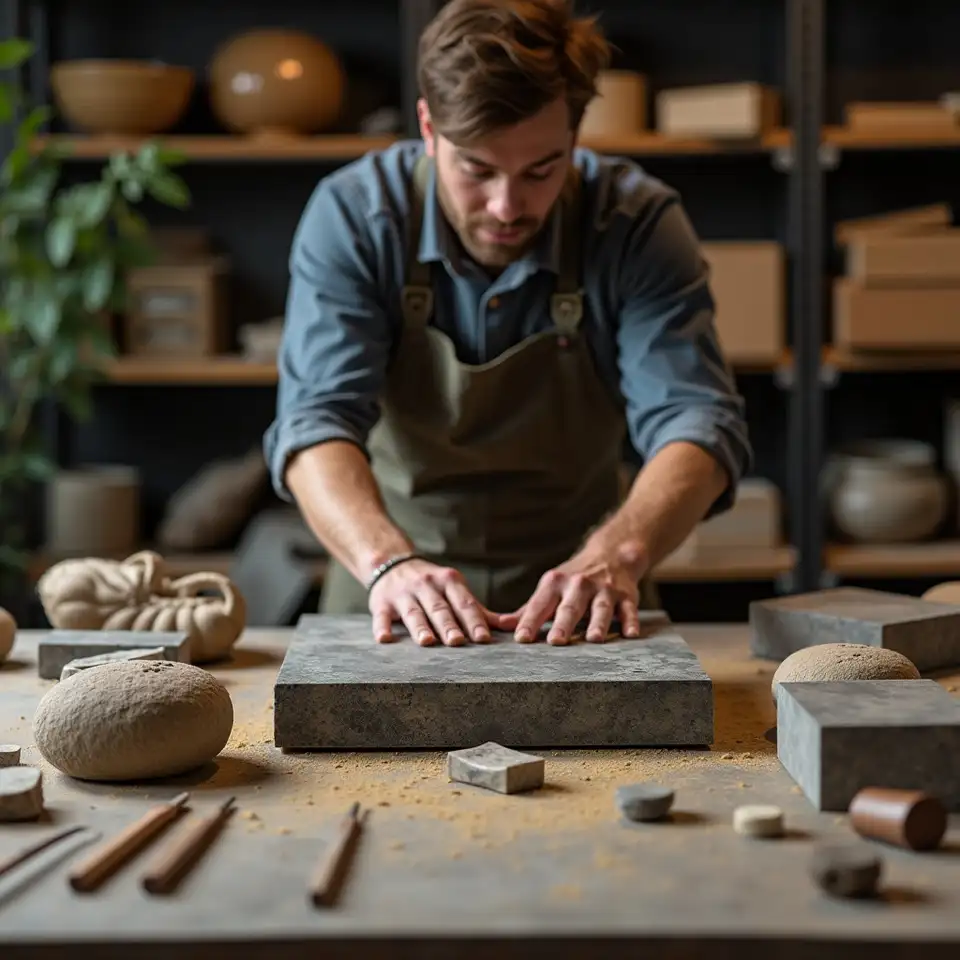
Soapstone carvers often ask: how do I choose a good stone and which tools should I invest in first? Our comparison tables break down qualities like hardness, color, and price. We also cover local suppliers, helping you find reliable materials within Canada. If you have questions or need advice on starting your first project, our team is available to provide practical guidance based on experience.
Ask nowEssential tools include rasps, flat files, and fine sandpaper. Each has a distinct role: rasps remove material quickly, files refine the shape, and sandpaper smooths the surface before finishing.
Our team compares brands and types of each tool, noting differences in grip, durability, and cost. We publish side-by-side results so you can choose with confidence and avoid beginner missteps.
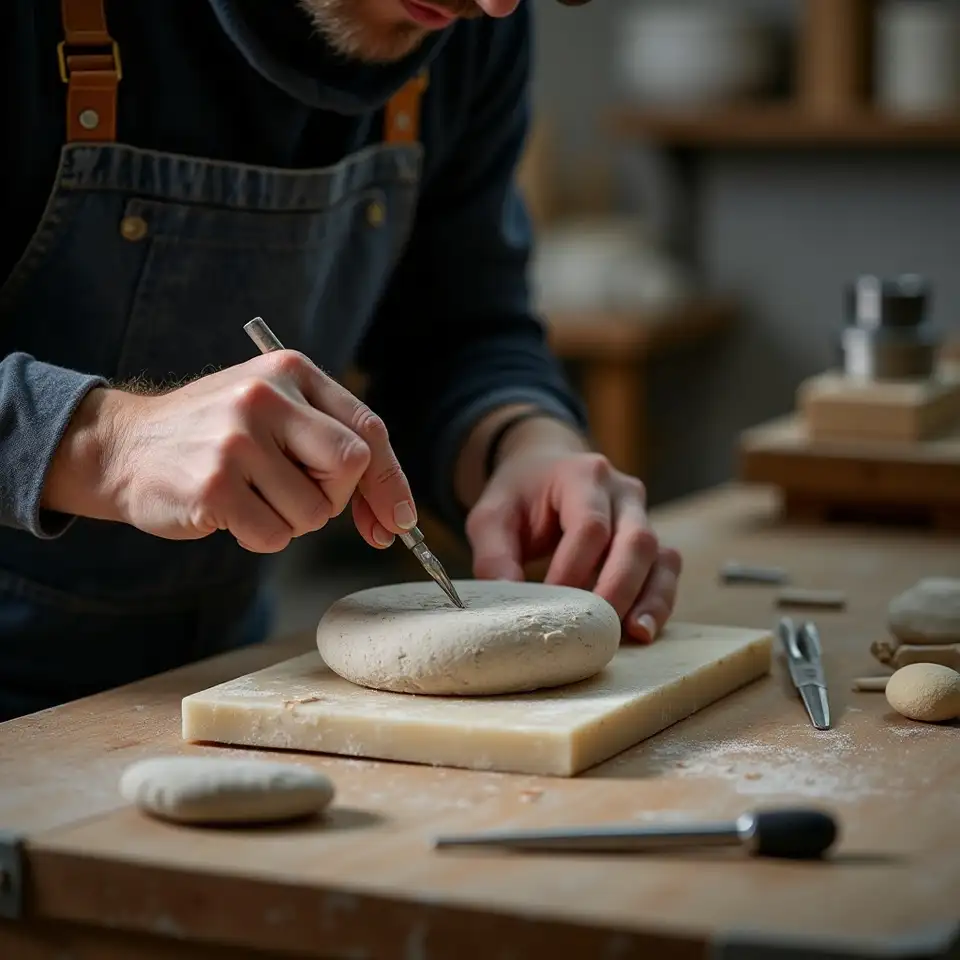
Material quirks, tool uses, and overlooked safety habits for the new soapstone carver
Beginner Questions About Soapstone Carving Materials and Tools
Every beginner brings a different question to the workbench. We answer the most common ones below.
Soapstone is a metamorphic rock, primarily composed of talc, that is soft enough for hand tools. This makes it perfect for small home projects and learning carving basics.
We recommend starting with a block of Canadian soapstone for its consistent quality. Avoid stones with obvious cracks or inclusions, as these may break or chip during carving.
Choosing Your Soapstone
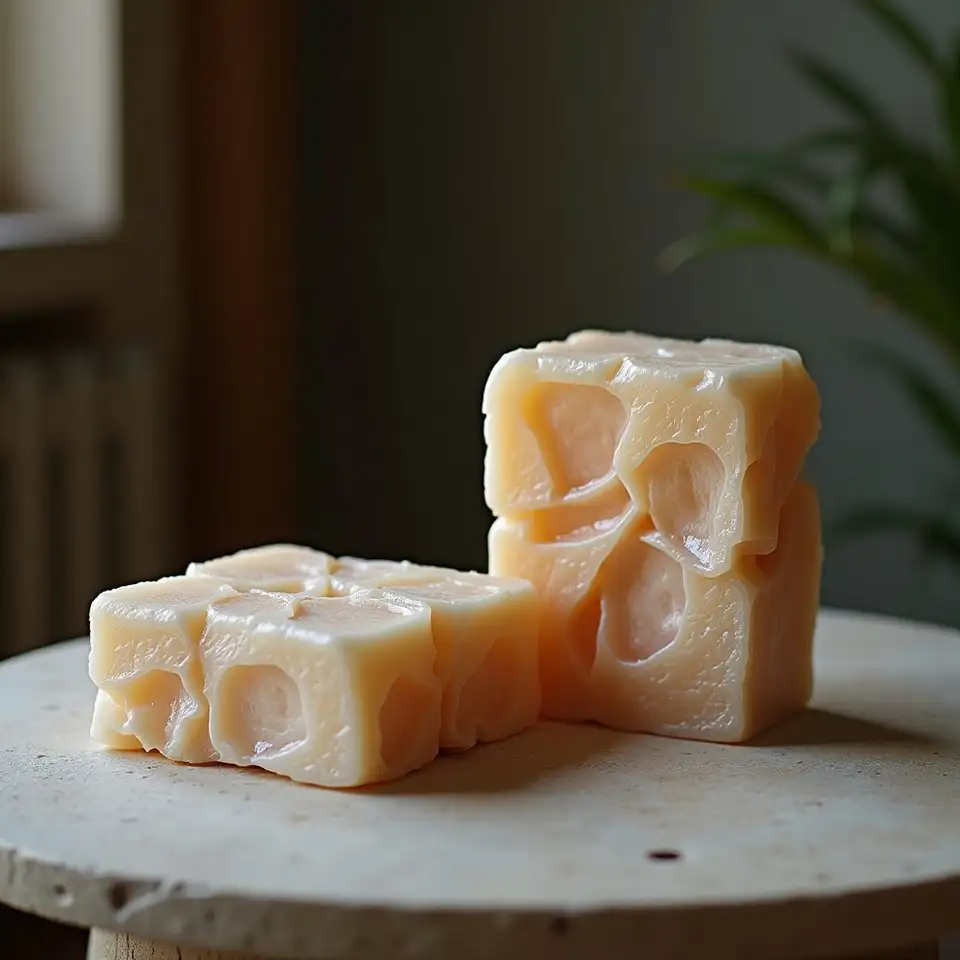
Soapstone’s composition—mainly talc—makes it soft and easy to carve. Look for stones with even color and few visible veins or cracks. This reduces the risk of breakage and allows your tools to work smoothly across the surface. Locally sourced Canadian stone is recommended for beginners due to its consistent quality.
Essential Tools to Start
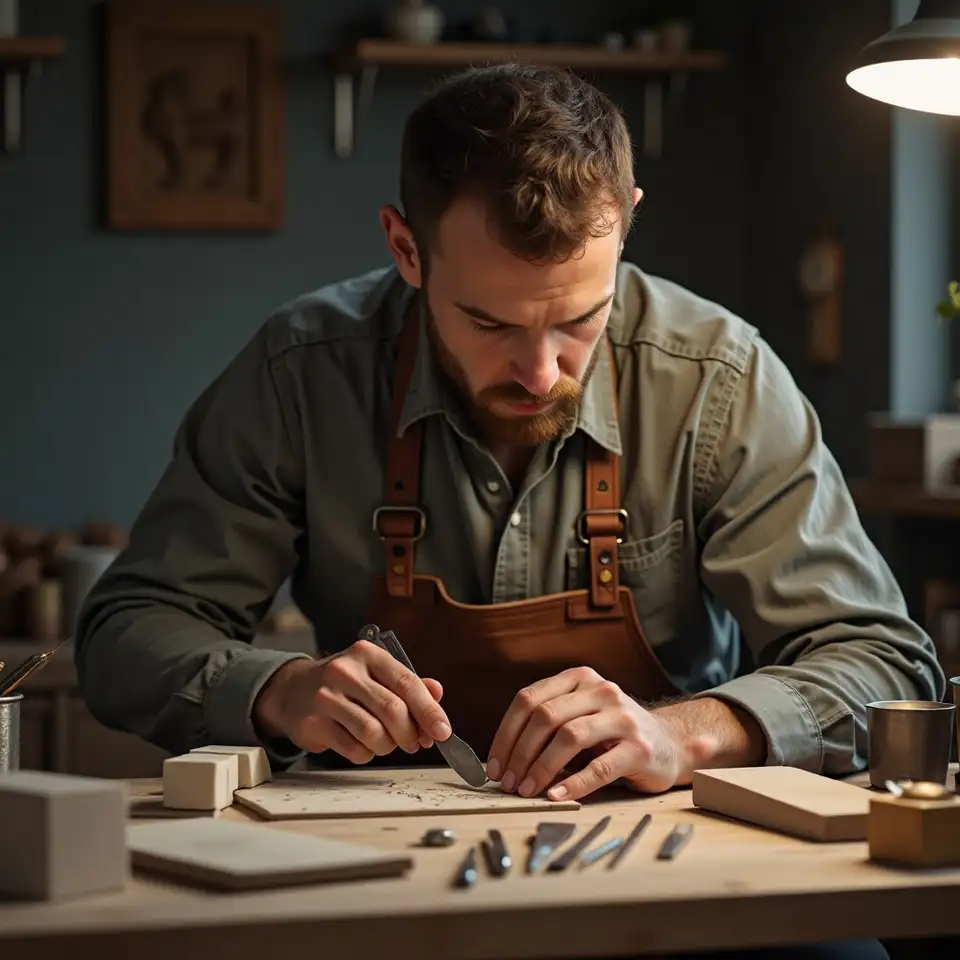
A medium rasp, a flat file, and wet/dry sandpaper form the backbone of a beginner’s kit. Rasps are great for shaping, files refine the form, and sandpaper finishes the piece. Our side-by-side reviews highlight which brands and models are easiest to use for those new to carving.
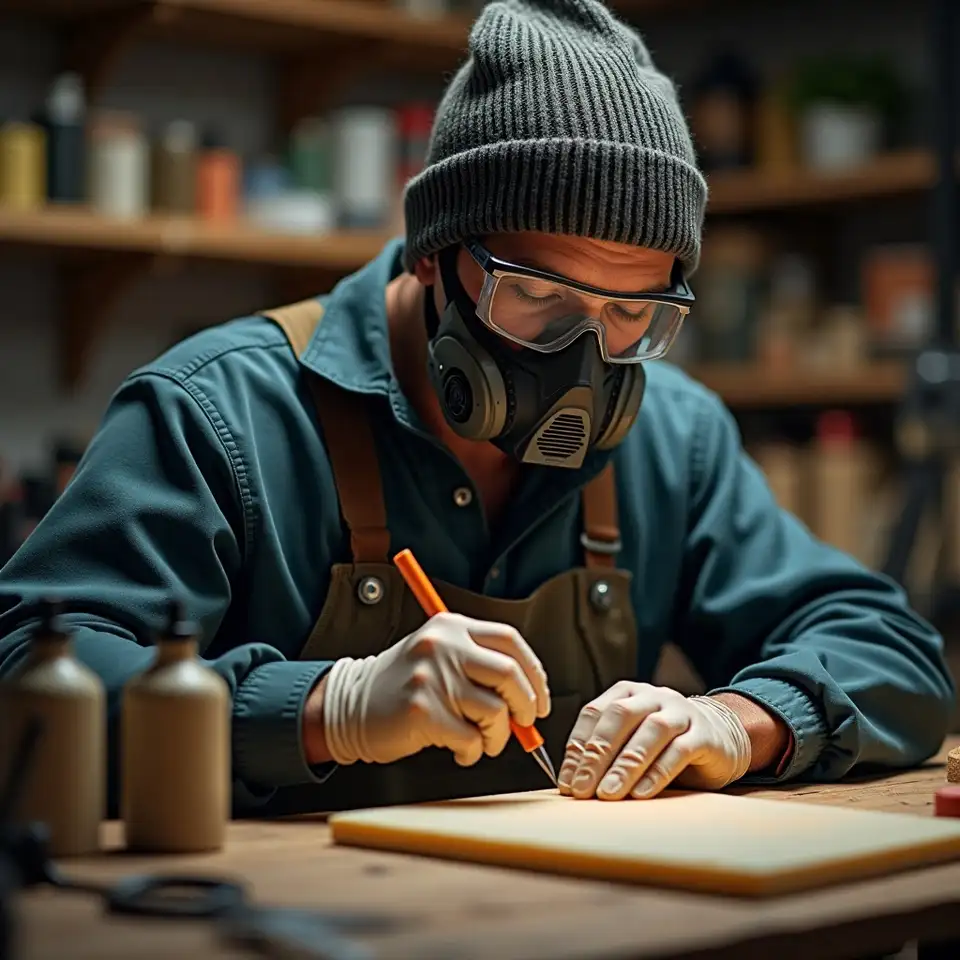
Safety cannot be overstated. Wear a dust mask at all times, work in a space with good airflow, and consider gloves for extra protection. Goggles are important when using hand tools that could send chips flying. We test a range of gear for fit and ease, making safety approachable from day one.
What makes soapstone ideal for beginners and how to start safely
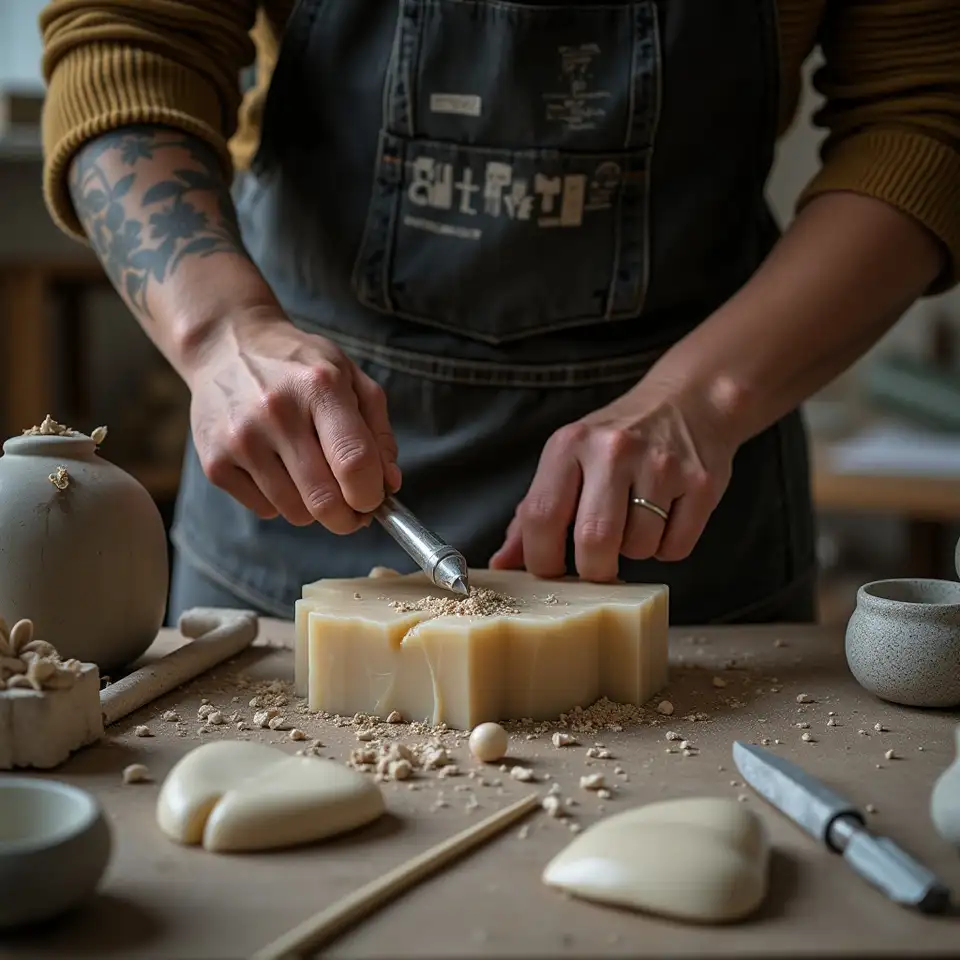
Soapstone carving starts with a few basics: the right material, dependable tools, and a mindset open to trial and error. Our guides break these down clearly, so you can move from uncertainty to action with confidence.
Why Choose Canadian Soapstone?
Canadian soapstone is popular for its fine texture and minimal flaws. Beginners will find it easier to carve and less prone to chipping, making it a solid choice for first projects.
Start with just three tools: a medium rasp, a flat file, and wet/dry sandpaper. Each serves a unique role and allows you to shape, refine, and finish without large investments.
Safety First Every Time
Always wear a dust mask or respirator, especially when sanding or shaping indoors. Proper safety gear protects you from airborne particles and accidental slips.
We encourage learning through hands-on testing. Our team shares both successful and unsuccessful techniques, so you know what to expect and how to adapt.
We use cookies to support site functionality, analyze how our carving guides are used, and improve your experience. You can manage your preferences or review details anytime.